
Call Today for a Free Consultation
 817-222-0624


North Richland Hills, Texas DWI Defense Lawyer
- People may be stopped by police officers and arrested for DWI in locations throughout North Richland Hills where alcohol use is common.
- Multiple steps will be followed during traffic stops and after arrests, including questioning by police officers, field sobriety tests, and breath/blood tests.
- DWI convictions can lead to jail time and fines even for a first or second offense, and the penalties will be more severe in cases involving felony charges.
- There may be multiple opportunities for defending against DWI charges, including challenging the reasons for an arrest or identifying errors in blood or breath tests.
Attorney Assisting With Charges of Driving While Intoxicated in North Richland Hills
There are many situations where people may be arrested for DWI. Whether a person is on their way home late at night or driving at other times of the day, they may be pulled over by police, questioned about whether they have been drinking or using drugs, asked to step out of their vehicle and take roadside sobriety tests, and arrested based on suspicions of intoxicated driving. The penalties a person may face in this situation can be severe, and they may continue to affect them for years to come.
A person who has been charged with DWI will need to understand their legal options, and representation from a skilled lawyer can help them resolve the matter successfully. At The Dameron Law Firm, our lawyer provides legal help for people in North Richland Hills and the surrounding areas who have been arrested for DWI. With his detailed understanding of Texas law and his experience representing clients in criminal cases, he can take steps to protect a person's rights, their driver's license, their criminal record, and their future.
Charged with a Crime?
Call The Dameron Law Firm at 817-222-0624 to schedule your consultation — we know exactly how to fight for you.
Where DWI Stops and Arrests May Happen
Police officers in North Richland Hills patrol many of the same roads every night, and they may be on the lookout for intoxicated drivers during evenings and weekends when people are more likely to be drinking alcohol. Some of the roads where DWI stops occur include Interstate 820, Boulevard 26, Rufe Snow Drive, Davis Boulevard, and Precinct Line Road.
Officers may watch for signs of impaired driving near bars, restaurants, nightclubs, and other areas where people may be drinking alcohol. They may patrol areas surrounding intersections with a history of traffic accidents, paying attention to signs of intoxication. They will often look for drivers who are weaving across the road, are slow to brake at red lights, or who engage in patterns that may indicate that they are intoxicated.
Traffic Stops and DWI Arrests
Although every stop will involve unique factors, most DWI arrests tend to follow a similar sequence:
- An officer observes a traffic violation or a driving pattern that raises their suspicions that a driver has been using drugs or alcohol. Swerving, speeding, or failing to use a turn signal may serve as the basis for a traffic stop.
- After pulling a vehicle over, an officer may ask the driver questions about where they are coming from, where they are going, and whether they have used alcohol or drugs. They will also look for other signs of possible intoxication, such as the smell of alcohol or a driver's slurred speech.
- The police officer may ask the driver to perform field sobriety tests. The officer will provide instructions on certain tasks to follow, such as standing with one foot raised or walking in a straight line for several steps. They may also ask the driver to track a an object with their eyes to see if there are any involuntary eye movements that may indicate that the driver is intoxicated.
- An officer may also ask a driver to take a roadside breath test using a handheld device that will provide an estimated measurement of blood alcohol concentration (BAC).
- When an officer determines that there is enough evidence to provide probable cause for DWI charges, the driver will be arrested.
- After the arrest, the driver may be asked to submit to a breath or blood test to measure their blood alcohol concentration. Refusing this request will lead to an automatic driver's license suspension.
- The driver will be arraigned and informed of the charges against them, and they may be released on bond.

Penalties for a DWI Conviction
A first DWI offense will usually result in Class B misdemeanor charges. If a person is convicted, they will typically be required to serve a minimum of three days in jail, and their total jail time may be as high as 180 days. The fines that may apply may be as much as $2,000, along with other related costs and surcharges. A driver's license suspension will also go into effect, and it may last for up to two years. If a driver had a BAC of .15 percent or higher, a DWI offense may be elevated to a Class A misdemeanor.
A second DWI offense will typically be charged as a Class A misdemeanor. A conviction will result in a longer jail term, that may range from one month to one year. Higher fines will also apply, with the maximum fine being $4,000. A third DWI will be even more serious, resulting in third-degree felony charges.
In some cases, the circumstances surrounding an arrest may lead to increased charges. If a child younger than 15 years old was a passenger in the vehicle at the time of the offense, a person may face state jail felony charges for DWI with a child passenger. If an accident occurred in which another person suffered a serious bodily injury, a person may face charges of intoxication assault, and a DWI that resulted in someone's death can lead to an intoxication manslaughter charge. These serious charges may be classified as third-degree or second-degree felonies. A felony conviction may lead to a multi-year prison sentence and up to $10,000 in fines.
"I was INCREDIBLY lucky to have put in contact with Mr. Dameron. He not only saved me once, but TWICE. No clue how, but my first DWI he got EXPUNGED. He made my second a piece of cake because he walked me through every step. He was my FIRST phone call on my second because I trust this man with my LIFE. Thank you Craig for ALWAYS being by my side. My family thanks you as well."
Defending Against DWI Charges
Our attorney will closely examine the facts of a DWI case to identify potential issues with the evidence against a client and build the strongest possible defense. He can look at whether a police officer had reasonable suspicion to stop a driver. He may question how field sobriety tests were performed and other observations reported by an officer to show that there was no probable cause to perform an arrest.
It may also be possible to challenge breath and blood tests performed after a DWI arrest. Breath testing machines must be maintained regularly, and tests must be performed by officers who have received the proper training and certifications. Our lawyer may take steps to call the accuracy of breath tests into question based on problems related to these issues. Blood samples must be collected, stored, transported, and analyzed correctly. Errors in any of these steps can affect the accuracy of the results. By taking steps to address the evidence and evaluate the available options for defense, we can help clients resolve a DWI case successfully.
Frequently Asked Questions About DWI Cases
Field sobriety tests are voluntary, and you can decline to perform them. The purpose of these tests is to provide an officer with information that may be used to justify a DWI arrest. While these tests may be refused, doing so may still lead to an arrest if the officer believes there is other evidence of impairment.
If you refuse to take a breath test or provide a blood sample after being arrested for DWI, your driver's license will be automatically suspended. It may be possible to challenge this suspension, but there are strict time limits for doing so. By providing legal representation during Administrative License Revocation (ALR) hearings, our attorney can help you avoid a license suspension.
If you are convicted of DWI, your driver's license will typically be suspended. For a first or second DWI offense, the license suspension may last for up to two years. A suspension may last longer for a third or subsequent DWI offense. Our lawyer can help you understand your options for getting your license back as soon as possible, including whether you can obtain a restricted driver's license while using an ignition interlock device.
Contact Our North Richland Hills, TX DWI Defense Attorney
The attorney at The Dameron Law Firm can make sure you have the legal help you need as you address DWI charges. He can review what happened during an arrest, identify errors in chemical tests, and determine which defense strategies are most likely to be effective. He will work to avoid a criminal conviction while protecting your driver's license. Contact our North Richland Hills DWI lawyer by calling 817-222-0624 and setting up your free consultation.
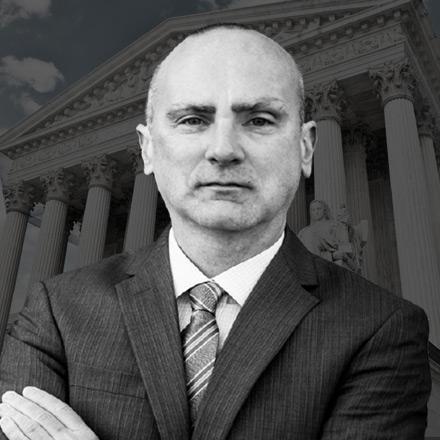
Craig A. Dameron is a passionate advocate in the courtroom and has spent over 20 years defending clients facing DWI and other criminal charges throughout Tarrant County and the Dallas-Fort Worth area.
- 20+ years exclusively representing clients in DWI and criminal defense matters
- Licensed to practice law in Texas since 2001
- Graduated cum laude from Oklahoma City University School of Law
- Recognized as a Top Attorney by Fort Worth Magazine, 360 West Magazine & Southlake Style
- Member, NORML Legal Committee
- Founder, The Dameron Law Firm
Tim Curry Criminal Justice Center
401 W Belknap St Fort Worth, TX 76196
Practice Areas






1515 8th Avenue, Fort Worth, TX 76104
817-222-0624

